


I recently spent an evening photographing something I had never covered before: a Filipino debut, the 18th birthday celebration for a young woman named Breanna. If you have never been to one, picture the production of a wedding, the emotion of a graduation, and the warmth of the biggest family reunion you have ever attended, all in one night.
I left that evening knowing I wanted to write about it. So many families in Santa Clarita celebrate this tradition, and so few people outside the Filipino community know what it actually is. So here is my guide, from behind the camera: what a debut is, what the 18 roses, 18 candles, and 18 treasures mean, and how the whole beautiful night unfolds.
What Is a Debut?
A debut (pronounced "deh-BYOO") is the traditional Filipino coming-of-age celebration for a young woman's 18th birthday. Families often shorten it to an 18th debut. Eighteen is the age of maturity in the Philippines, and the debut marks her transition from childhood to womanhood, her formal presentation to society. The birthday girl is called the debutante.
The tradition goes back to Spanish colonization, when Filipinos adapted the Spanish quinceanera into their own celebration. A long time ago, it signaled that a young woman was ready for courtship. Today it is simply one of the biggest nights of her life, often planned with the same care as a wedding: a grand venue, formal attire, a full program, and everyone she loves in one room.
If you are new to the tradition, the closest comparisons are a quinceanera or a Sweet Sixteen. But a debut has its own rituals, and they are the heart of the whole evening.
The 18 Roses: A Dance With the Men Who Shaped Her
The heart of a debut is a series of rituals built around the number 18, one for each year of the debutante's life. The first is the 18 Roses.
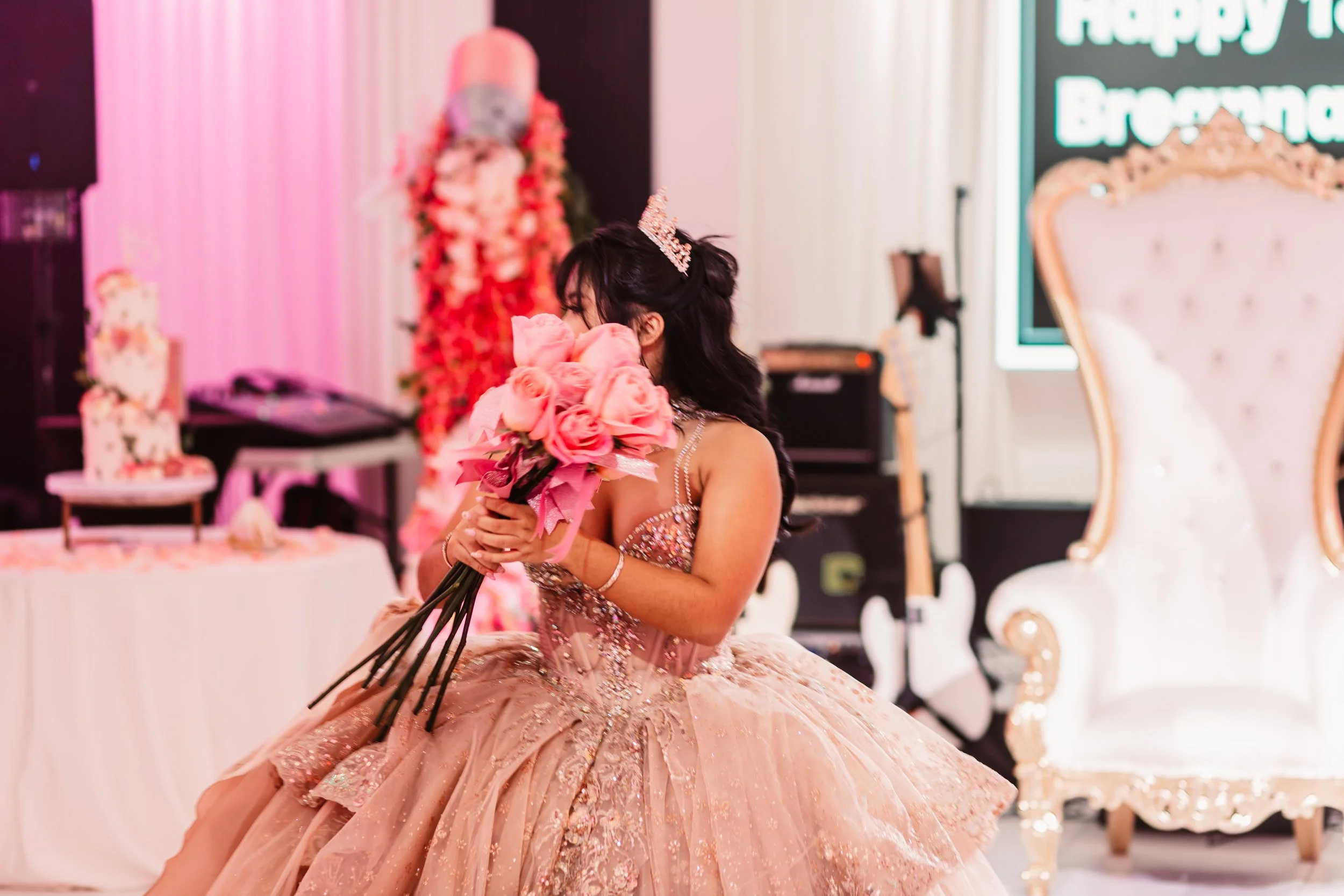
The 18 Roses celebrate love and courtship. Eighteen important men in the debutante's life each present her with a single rose and share a short dance with her, symbolizing her readiness for romantic relationships. The order of the dances is meaningful. The first dance is typically her father, followed by brothers, male cousins, and close friends. The last dance is often reserved for someone special, like a boyfriend or a best friend. Many families end the roses with the father again, a quiet reminder that no matter who enters her life, her father's love comes first.
Watching eighteen men line up to dance with one young woman tells you everything about how deeply a family shows up for this milestone.
The 18 Candles: Wishes From the Women Who Guide Her
Next come the 18 Candles, which honor the guiding lights in her life. Eighteen important women each light a candle and share a short speech, a wish, or a piece of advice, symbolizing her road to a bright future. Each candle can also represent one year of her life.
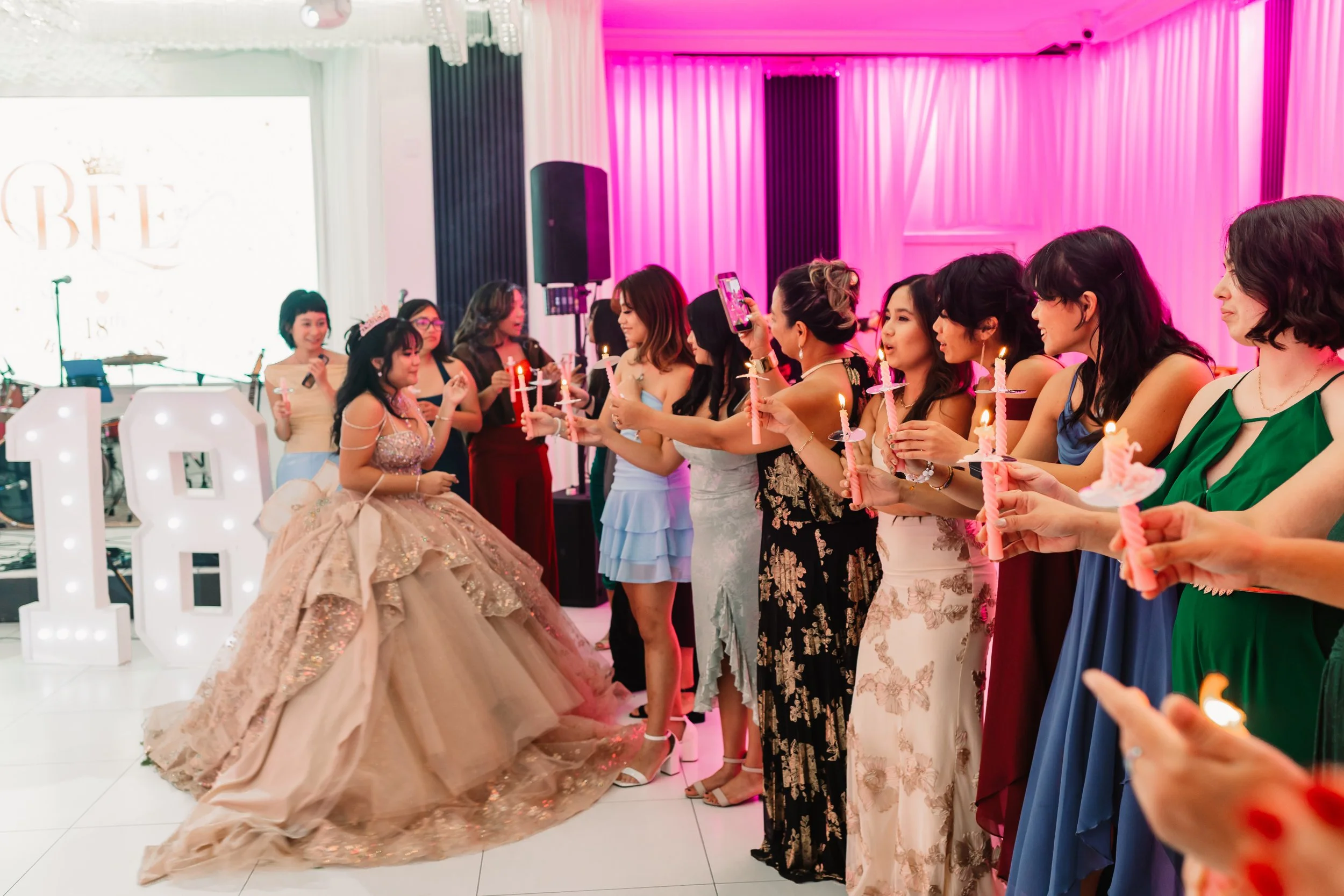
The mother usually lights the first candle, followed by aunts, female cousins, and close friends. After all eighteen women have spoken, the candles are placed beside the birthday cake for the debutante to blow out.
I will be honest: this is the part of the night that undoes everyone. The speeches are personal, sometimes funny, often tearful, and they say out loud the things families do not always say on ordinary days. If you are a guest at a debut, bring tissues for the candles.
The 18 Treasures: Gifts for the Road to Womanhood
The third ritual is the 18 Treasures, sometimes called the 18 Gifts, and it is about equipping her for womanhood. Eighteen people each present the debutante with a gift, along with a short speech about what the gift means. The treasures are keepsakes she can carry into womanhood, things to treasure for life no matter what they cost. Common gifts include journals, inspirational books, jewelry, watches, and scrapbooks full of memories.
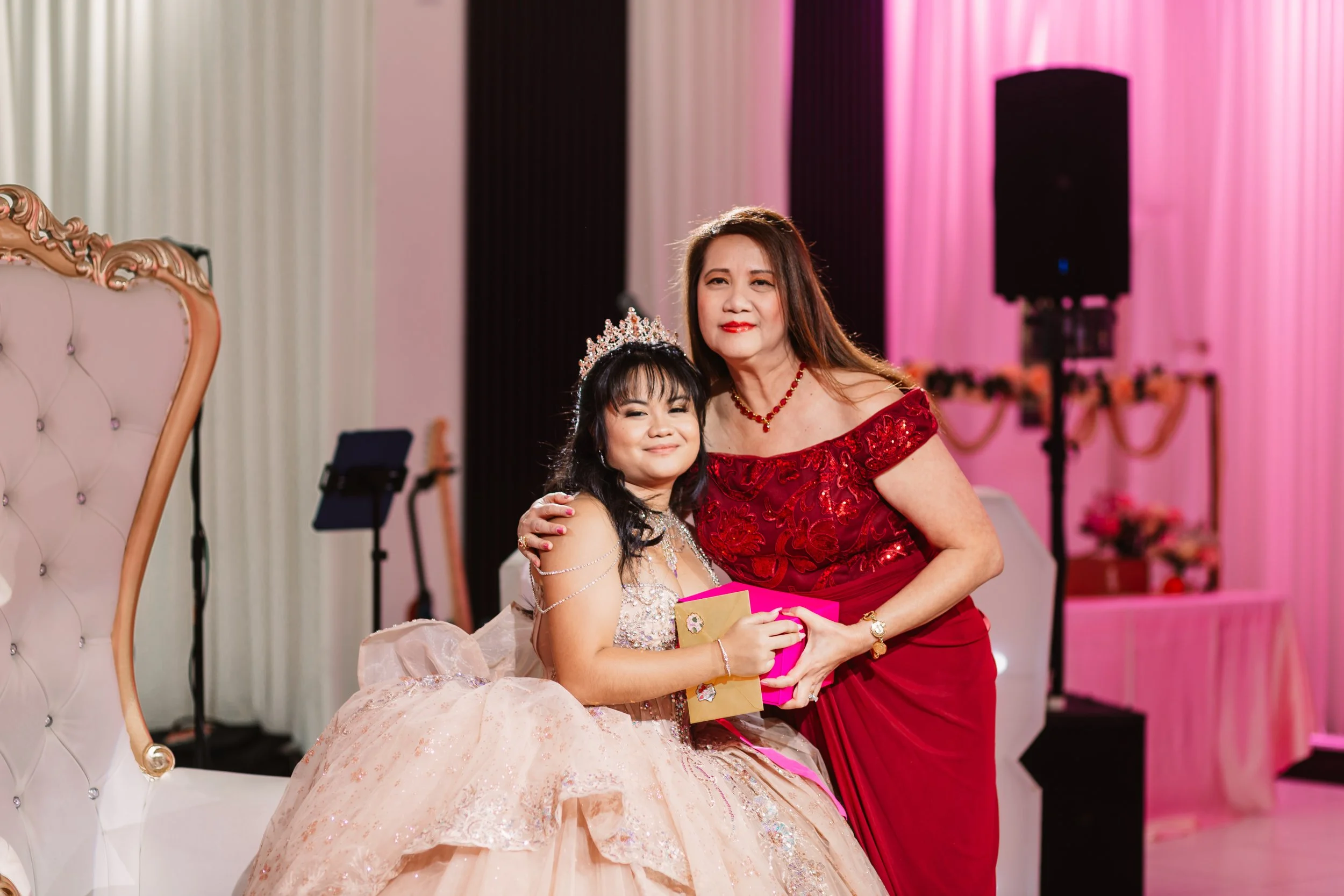
Many modern families add their own rituals to the lineup. Some include the 18 Blue Bills, where givers present Philippine 1,000-peso notes to symbolize financial independence. Others add 18 Shoes, 18 Shots, or 18 Wines. There is no single required list, and families tend to choose the traditions that mean the most to them rather than trying to fit them all in.
The Grand Cotillion and the Father-Daughter Dance
Two more moments define the evening. The Grand Cotillion, also called the Cotillion de Honor, is a choreographed formal waltz performed by the debutante with her court. It is often the visual centerpiece of the night, all elegant lines and spinning gowns, and the court usually starts rehearsing at least a month before the event.
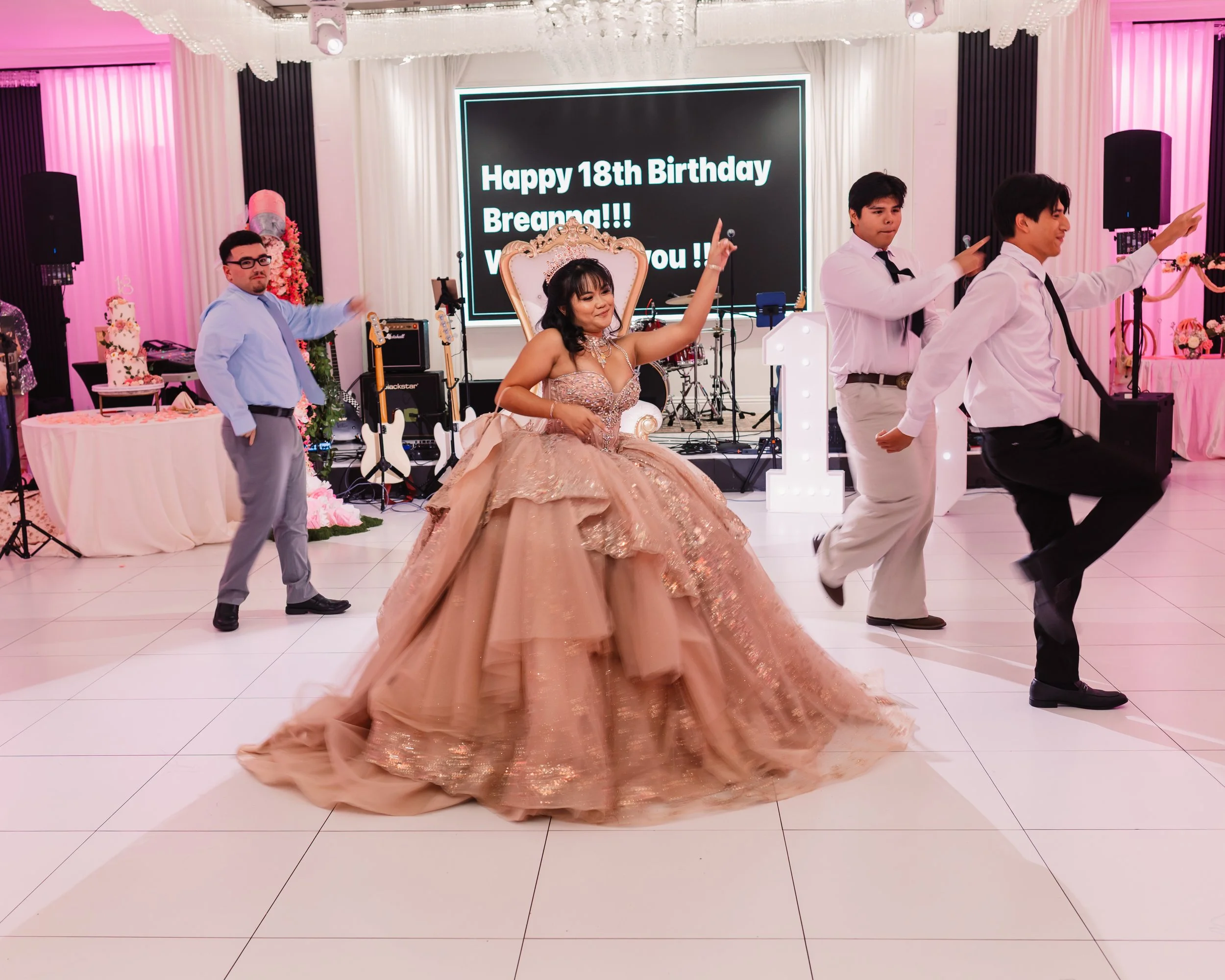
Separate from the roses is the father-daughter dance, a standalone dance between the debutante and her father that symbolizes his guidance and support. Photographers talk about this dance the way wedding photographers talk about the first dance. It is the emotional anchor of the night, and it is over in a few minutes, which is exactly why it matters so much to capture it well.
How the Night Flows: A Typical Debut Program
A grand evening debut usually runs three to four hours, and the program is packed. A typical flow looks like this: guests arrive to cocktails and a photobooth, then the grand entrance, often with the cotillion court processing in and the debutante entering last. After opening remarks and a prayer, dinner is served. Then comes the AVP, an audio-visual presentation of the debutante's life from baby photos to the present day, sometimes featuring portraits from a pre-debut photoshoot.
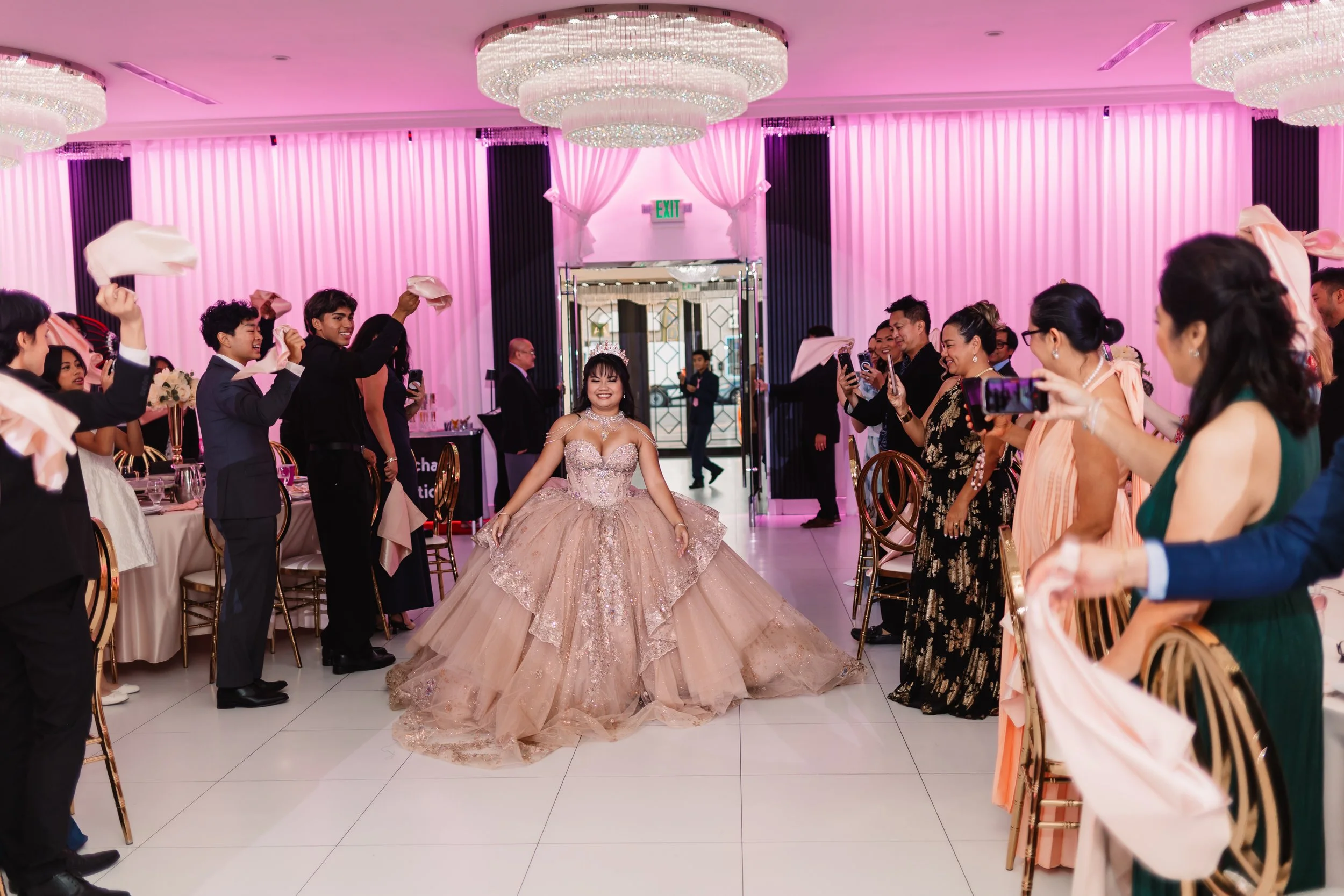
After dinner, the ceremonies begin: the 18 Roses, the 18 Candles, and the 18 Treasures, followed by the grand cotillion and the father-daughter dance. Then cake cutting, speeches from the debutante and her parents, and finally the party portion of the night, with dancing until the last dance.
Smaller or daytime debuts sometimes shorten the rituals to 9 roses, 9 candles, and 9 treasures. And you will notice the evening often opens with a prayer, a reflection of how central faith is in Filipino gatherings.
Photographing Breanna's Debut
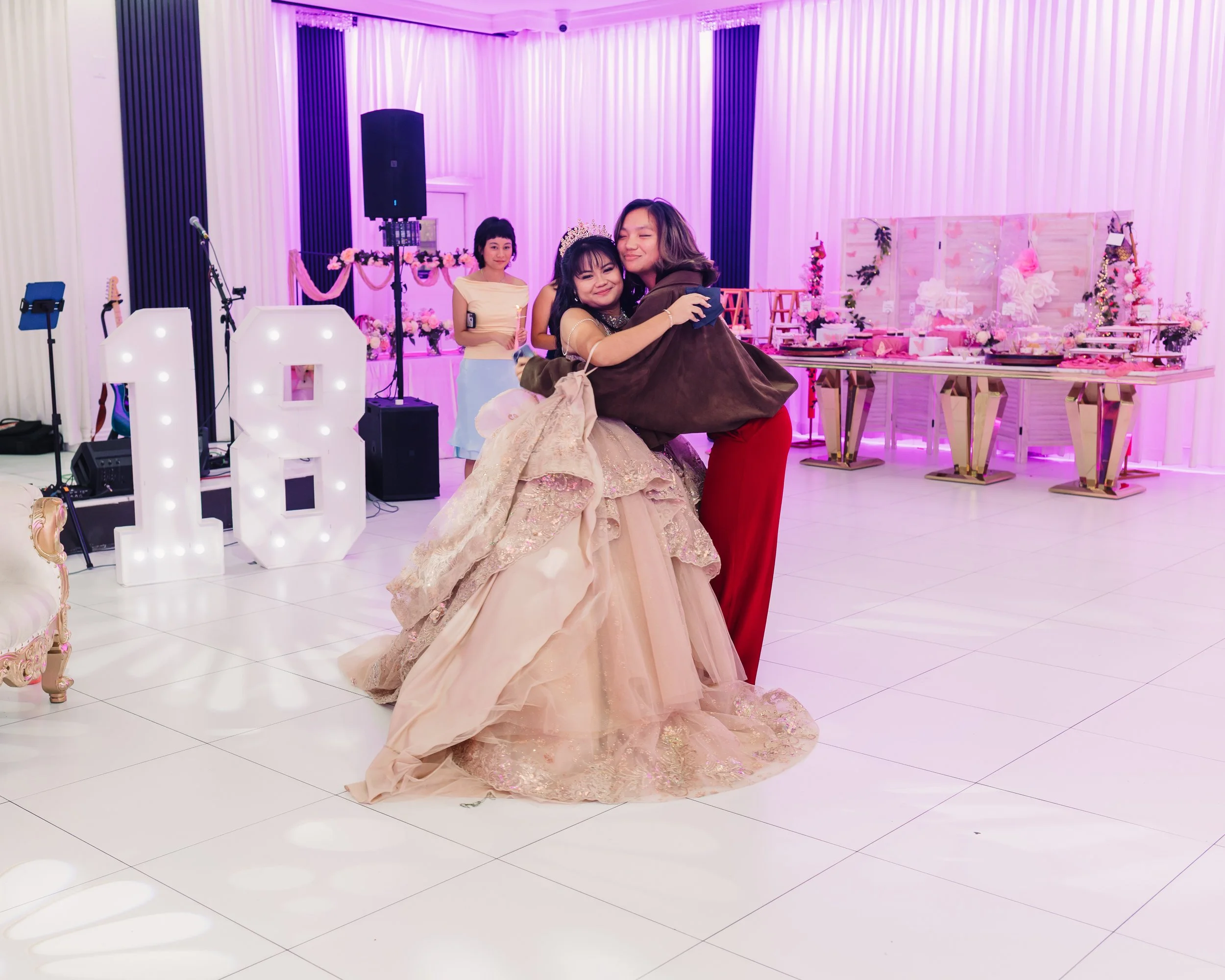
Photographing Breanna's debut showed me why families treat this night like a wedding. The production is real: the gown, the decor, the choreographed dances, a program that runs for hours. But what stayed with me was how family-centered it all is. Every single ritual is about the people who raised her and the people walking into her future alongside her.
From behind the camera, a debut asks a lot of a photographer. The ballroom light is low, the program moves fast, and the most meaningful moments happen once and do not repeat. My style has always been documentary, watching for the real moment instead of manufacturing one, and a debut is exactly the kind of night that style was made for.
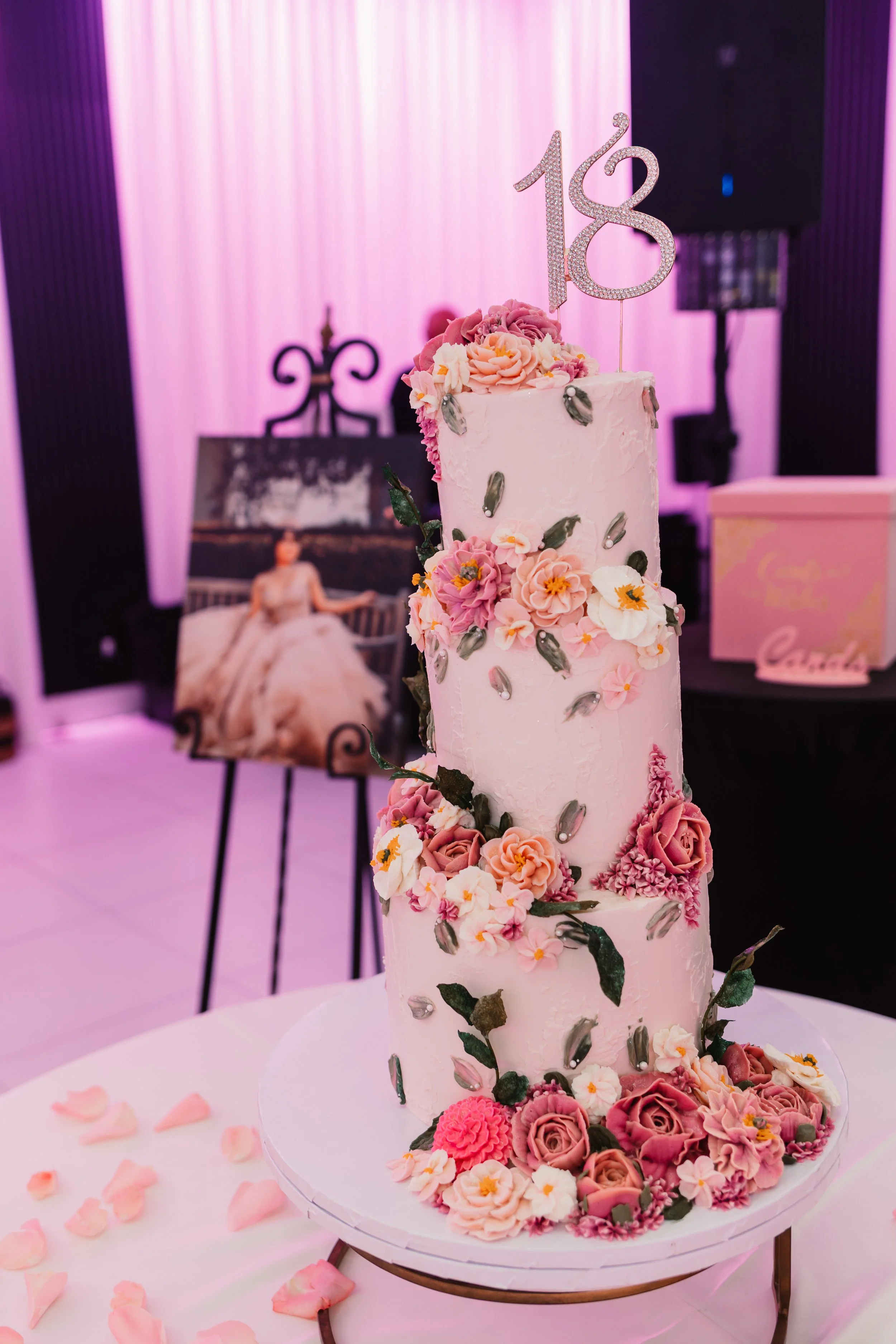
I photographed the details too, because the details are the story: the gown, the cake, the table settings, the invitations. Years from now, those are the things that will pull her right back into the room.
Planning a Debut in Santa Clarita or Los Angeles?
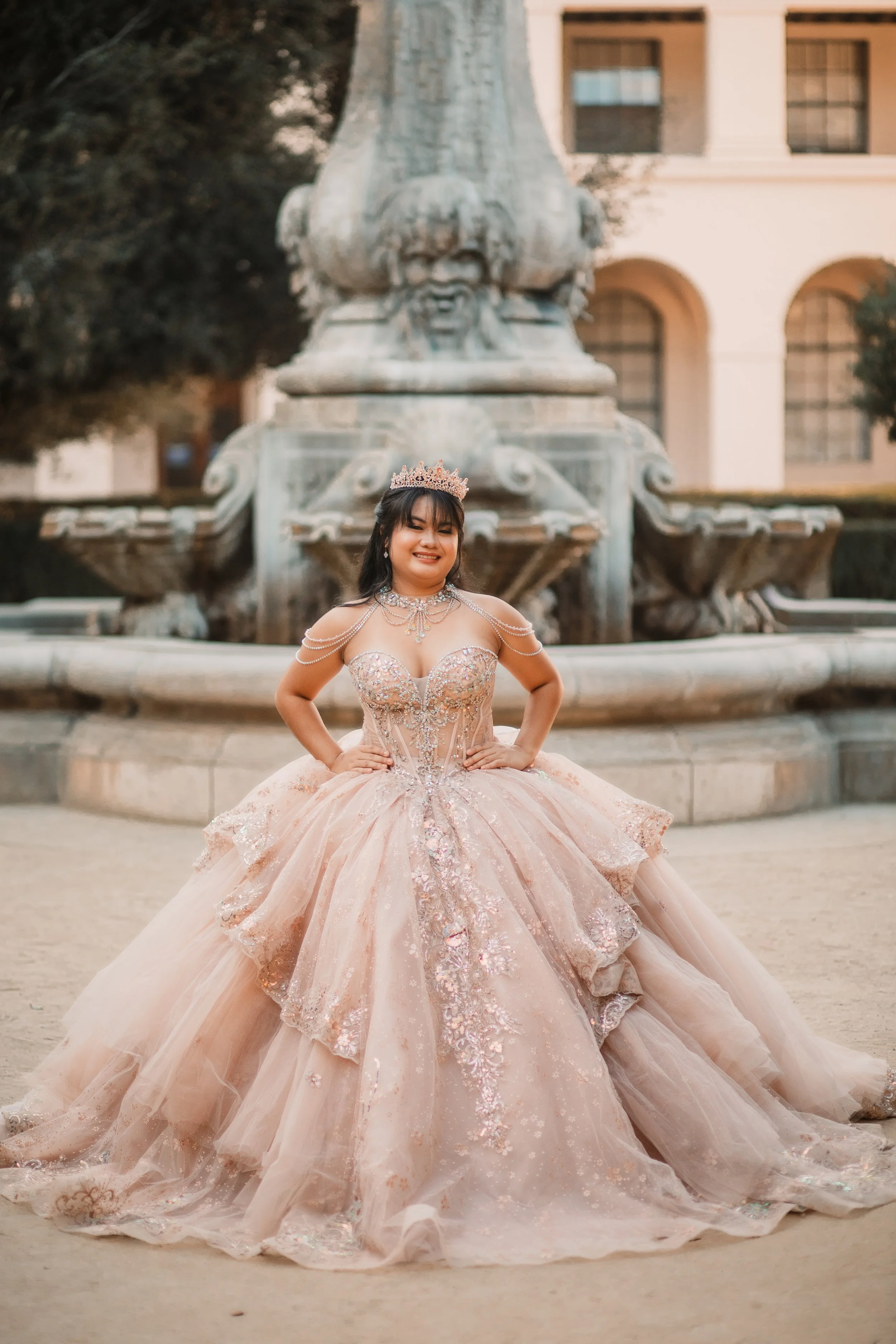
If you are looking for a debut photographer in Santa Clarita, I would love to talk. As a Filipino debut photographer serving Santa Clarita, the San Fernando Valley, Glendale, and Los Angeles County, I offer pre-debut photoshoot sessions, the glamour portraits so many families use for invitations and the AVP slideshow, as well as full-day coverage of the celebration itself, from getting ready through the last dance.
You can browse my sessions and pricing here: https://www.lianaherreraphotography.com/pricing
Or email me at contact@lianaherreraphotography.com and tell me about the debut you are planning. I would be honored to photograph it.